If you have ever before walked away from a first aid course thinking, "I wish I never ever need this," you are not alone. The unpleasant fact is that lots of people do require it, and frequently. Out-of-hospital cardiac arrest happens hundreds of times every week across numerous nations, typically in homes, work environments, or public areas. The difference in between a misfortune and a survival story often comes down to one point: whether somebody nearby remembers their CPR training and acts quickly.
The catch is that most individuals take CPR training once, then allow years slide by. Strategies change, self-confidence fades, and when something takes place, that hesitation costs time. This is where a fast CPR correspondence course earns its keep. With the appropriate style, you can update your first aid and CPR skills in the time it takes to consume lunch, without investing a complete day in a classroom.
I have taught both full-day first aid courses and express CPR sessions tucked into busy work timetables. The speed is not the issue. Poor style is. A fast cpr correspondence course can be very efficient if it is snugly concentrated, hands-on, and matched to your real threats at home or at work.
Let us go through what a genuinely beneficial express cpr course looks like, how to select one, and exactly how to squeeze genuine worth out of a solitary lunch break.
Why a quick CPR refresher is worth your hour
Whenever I ask groups why they are in a CPR or first aid training course, the solutions gather around compliance and responsibility. "Job told me I had to." "I require a first aid certificate for my work." Only a handful claim, "Because I am anxious I would certainly freeze if my youngster or associate fell down."

Yet that last worry is specifically what a fast CPR or express first aid course must address. Not simply ticking a box, however changing that freeze reaction with an exercised, nearly automatic sequence.
Several points make a brief refresher specifically useful:
You are topping up existing knowledge, not starting from zero. The key skills are currently in your memory, also if they feel rustic. With assisted method, they come back quickly.
You focus on what conserves lives, not every uncommon situation. A great fast first aid course does not try to cover every minor injury. It spends time on what will certainly kill a person in mins if you do not act: heart attack, blocked air passage, serious bleeding.
You discover present guidelines, not what you slightly remember from years earlier. CPR suggestions alter every 5 to 6 years as proof accumulates. Compression deepness, hand positioning, when to make use of an AED, when to make use of breaths - all of this progresses. A fast cpr course is an opportunity to reset your mental manuscript to present standards.
For workplaces, a short, targeted session is commonly the only reasonable way to keep a risk-free atmosphere without pulling staff off the floor for a complete day. I have actually run 45 to 60 min fast first aid training blocks in health centers, building yards, workplaces, and child care settings, all constructed around that reality.
What "fast CPR refresher" really means
Different carriers utilize different language: fast cpr, express cpr training, fast first aid courses, express first aid training, mixed or on-line refreshers. Labels can be complicated, so it helps to strip them down to core formats.
Typically, a fast cpr correspondence course falls under one of three versions:
Short in-person session, usually 45 to 90 minutes, concentrated almost totally on hands-on abilities. In these, you may spend 10 to 15 minutes changing the theory of cardiac arrest, then the remainder of the time on manikins and practice scenarios. This is frequently what people picture as a "lunch-break" course.

Blended express first aid course, where concept is done online in advance, after that you go to a much shorter in-person session to show CPR and first aid skills. This is a common style for fast certification, and in my experience it works well for active experts that can take care of the self-paced on the internet part in the evenings.
Fully on the internet refresher, occasionally marketed as "fast CPR courses" or "express cpr courses". These can be valuable for expertise refresh, specifically if your work environment enables online-only evidence. Nevertheless, they have a significant constraint: you can not exercise compressions, breaths, or AED pad positioning on a genuine manikin, so your muscle mass memory does not benefit.
If you currently hold a first aid certificate, take notice of whether the supplier clearly provides a first aid and cpr course as a refresher, not simply a preliminary certification. Refresher-oriented classes tend to move much faster, presume previous direct exposure, and spend even more minutes on sensible work instead of lengthy lectures.
For childcare workers and teachers, "express childcare first aid course" or "express childcare first aid training" generally indicates an educational program aligned with your regulator or licensing body, yet provided in compressed time blocks. The trick is confirming that the shortened format still fulfills the official demands for paediatric cpr and first aid.
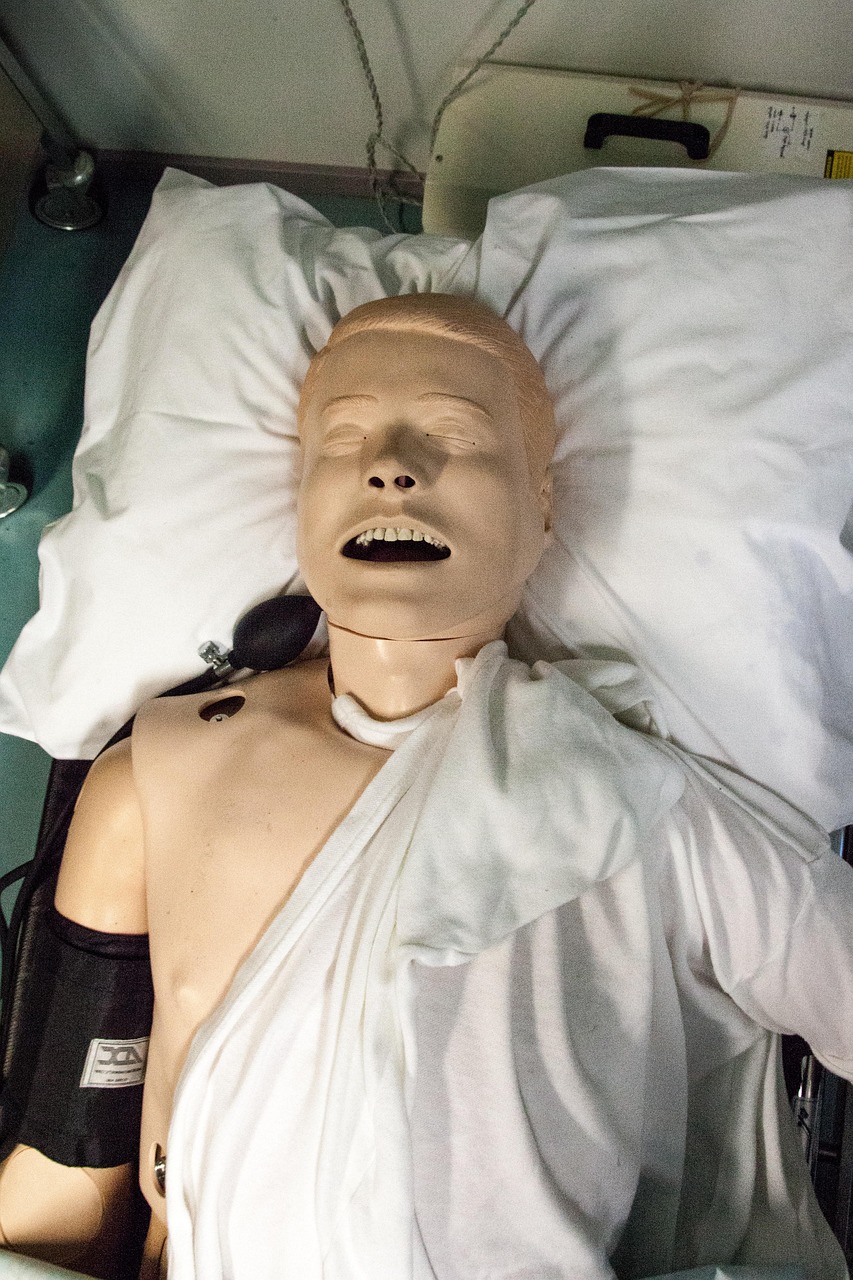
Skills you can in fact revitalize over a lunch break
In a 60 min fast cpr correspondence course, you will not understand every phrase in the fap first aid handbooks. That is great. The objective is not breadth, it is intensity where it matters.
Here is what I constantly see working well in a limited period:
Recognising heart attack swiftly and decisively High top quality upper body compressions on an adult manikin Safe and confident use of an AED Basic respiratory tract management and rescue breaths, if your duty requires them A straightforward emergency situation action strategy so you know what to do first, 2nd, and thirdThose five points audio obvious on paper. Under anxiety, though, individuals skip them, reverse them, or delay at step one. An excellent teacher will construct brief, sensible situations that force you to recognise a non-responsive casualty, phone call for aid, and obtain straight onto the chest.
When I teach express cpr training, I watch for tiny details: where your shoulders sit over the casualty, whether you are allowing full recoil, if you are wasting time between compressions and AED shocks. We do tiny adjustments instantly. In that feeling, a fast cpr refresher course feels less like a lecture and more like personal coaching.
If the course is marketed as first aid and cpr training classes instead of pure CPR, you might likewise touch on choking therapy, severe blood loss control, and the healing position. The method is not to hurry with loads of techniques. I prefer to see somebody entrust solid CPR, AED, and choking skills than a hazy memory of 15 different injuries.
Making 60 mins matter: an example structure
To offer you a sense of what an effective express cpr course can look like, right here is a harsh framework I have actually utilized for office-based teams with previous first aid training:
|Segment|Time (approx.)|Focus|| ------------------------------|----------------|----------------------------------------------------|| Fast theory revitalize|10 mins|What cardiac arrest is, chain of survival, informs|| Grown-up CPR practice|20 mins|Compresssions, breaths if included, responses|| AED practice|10 minutes|Pad placement, security, following motivates|| Choking and healing placement|10 mins|Adult choking, secure side placement|| Situation turning + Q&| 10 mins|Brief drills, inquiries, issues|
With a small group and an engaged teacher, that solitary hour delivers a lot more real retention than a long lecture-heavy day. The key is small class dimensions or sufficient manikins. If one instructor is handling 20 participants with three manikins, everyone invests half the course watching, not doing.
When you look for a fast first aid course near me or fast cpr courses, this is one of the questions worth asking: "How many individuals per manikin?" For a brief, extensive session, a ratio of 2 or 3 per manikin is ideal, 4 is workable, anything higher starts to undermine the benefit of an express format.
What has transformed since your last CPR course
One of the first questions I ask in refresher courses is, "When did you last do CPR training?" It prevails to listen to "Seven or 8 years back" or "At some time before covid." A lot can change in that time.
Some of the shifts that often shock participants:
More emphasis over top quality compressions. Depth and price still matter, yet there is more powerful focus on enabling complete upper body recoil and reducing interruptions. Several modern-day manikins provide real-time feedback on deepness and price, which is an effective eye-opener. You understand just how conveniently you drift too shallow or as well slow.
Hands-only CPR is widely approved for inexperienced onlookers. Most first aid and cpr courses now teach that if you are not confident with rescue breaths, you should start company, fast compressions and maintain going till help or an AED arrives. That quality gets rid of a great deal of doubt in real emergencies.
AEDs are currently presumed, not optional. When I began instructing, AEDs were uncommon in public spaces. Currently you find them in shopping centres, workplaces, colleges, gyms, airplane. Fast first aid courses appropriately spend time demystifying the device. The reality is an AED is created to lead a layman: turn it on, adhere to the voice motivates, do not overthink it.
Guidance on breathing checks has actually advanced. Older training occasionally https://cesardonq278.yousher.com/fast-cpr-and-first-aid-refresher-courses-keep-current-stay-confident encouraged long "look, listen, and feel" checks that postponed activity. Existing practice in numerous systems favours fast assessment: if the individual is less competent and not breathing usually, treat as cardiac arrest and begin CPR. That word "typically" matters, because agonal gasps can misdirect an inexperienced rescuer.
For those in specific markets, particularly express child care first aid courses, paediatric resuscitation information may have transformed too: compression ratios in some combined CPR, suggestions on breaths versus compressions in specific age, and emphasis on stopping air passage occlusion.
A fast cpr correspondence course ought to not drown you in every information of standard updates. Instead, it ought to surface the adjustments that in fact impact what your hands and decisions carry out in the initial minutes.
First aid and CPR: do you revitalize both, or simply CPR?
Many people come looking for "fast cpr" or "express cpr course" since they believe they just need breast compressions. Sometimes that holds true. In a workplace with clear emergency situation feedback, safety and security team and on-site paramedics might manage more comprehensive first aid, and your duty is to start CPR and bring the AED.
In other scenarios, particularly in smaller organizations or childcare, first aid and CPR are virtually inseparable. You might be the only person offered to recognise anaphylaxis, control bleeding, phone call emergency situation solutions, and start CPR if points deteriorate.
When finding between:
- a pure CPR training session, an integrated first aid and cpr course, or a broader express first aid course,
Think regarding your reasonable obligations. Moms and dads, sporting activities trains, teachers, and child care staff usually take advantage of a small however combined first aid and CPR training course. You do not require a marathon first aid Caboolture first aid courses course, yet you do require to be able to deal with choking, asthma strikes, seizures, extreme allergy, which uncommon however destructive paediatric cardiac arrest.
For hectic office team whose primary risk is an associate breaking down, a fast cpr refresher course with AED practice is often sufficient, offered a minimum of a couple of personnel also hold a more detailed first aid certificate.
One sensible design I such as is a combined technique throughout an office: a nucleus completes complete first aid training every couple of years, while the bigger personnel rotate via fast first aid courses or express cpr training annually. That builds a culture where lots of people are comfortable beginning standard life support, and a smaller sized number can take care of much more complex situations.
Choosing a fast course that still constructs genuine competence
The market around CPR courses and first aid training is crowded. When you look online for a fast first aid course near me or express cpr courses, you will certainly see whatever from reputable nationwide suppliers to anonymous web sites providing instantaneous certificates.
A few straightforward checks assist sort the beneficial from the questionable:
Accreditation and recognition
See to it the service provider concerns a first aid certificate or CPR certificate that your employer, industry regulator, or licensing body identifies. For example, many child care laws specify that an express child care first aid course must be lined up with specific national standards.Hands-on method time
Ask explicitly just how much of the fast first aid or express cpr course is invested doing compressions and using an AED, rather than enjoying slides. If hands-on time is less than half of the session, be cautious.Instructor background
An instructor with real-world emergency experience, such as paramedics, nurses, or long-serving first aid instructors, generally brings sensible subtlety. They will talk about what really occurs in messy environments, not just textbook diagrams.Class size and equipment
Small groups and sufficient manikins matter much more in a compressed layout than in a lengthy course. If 20 individuals are sharing two manikins in a 60 minute session, your "fast first aid training" turns into a waiting game.Clear scope
Reputable service providers are honest regarding what the fast certification covers. If a one hour online video guarantees to change full first aid and cpr courses for all expert roles, be skeptical.I remind employers that a certificate is not magic. What you desire is a person who can press hard and fast in the best place at the right time, send someone for the AED, and provide the emergency situation telephone call taker clear info. Select carriers whose course style pushes people towards that outcome.
Preparing on your own before the lunch-break course
The ideal fast first aid courses start before you enter the space. With a little prep work, you can walk in prepared to maximize every minute.
At minimum, do this the day prior to:
Look up the emergency situation number utilized in your location and exactly how it deals with smart phones, inner work phones, and building safety. If your structure has a certain procedure or expansion number, recognize it. This appears noticeable, yet in real emergency situations, individuals typically screw up with phone systems.
Find out where the nearby AEDs in fact being in your work environment, gym, or school. Keep in mind not only the location, but the course. In training, people often find they have no concept where the device is, even though they stroll past it weekly.
Mentally rehearse a simple three-step pattern: examine responsiveness and breathing, phone call for aid, begin compressions. Visualising those activities before training primes your mind. When you after that do the fast cpr refresher course, the physical method locks into a script you currently recognise.
If your express first aid course consists of an online concept part, take it seriously instead of rushing with. Those brief components liberate the in-person time for the abilities that really call for coaching.
Wear comfy garments to your session. You will certainly be kneeling, leaning, and moving. I have seen individuals in tight official outfit stopped their very own practice time simply since it was physically uncomfortable to hop on the floor.
After the course: keeping CPR skills active between refreshers
One of the most significant misconceptions about first aid and cpr courses is that the certificate magically keeps your skills fresh for its complete credibility duration. It does not. Abilities discolor in months, not years, specifically if you never use them.
The good information is you do not need a complete course every couple of weeks. 5 minute refresher courses, done occasionally, go a long way.
Here are practical methods to keep your abilities alive in between formal refresher courses:
Use trusted short videos from acknowledged first aid organisations a few times a year. See a heart attack scenario, then close your eyes and speak on your own via what you would certainly do, in order. You are https://elliottiaup927.trexgame.net/express-first-aid-courses-for-remote-and-outdoor-employees practicing choices and sequencing.
If your work environment has manikins available, talk with your security policeman about setting up brief "CPR decrease in" sessions. Also 10 mins of compressions every few months keeps your hands and posture tuned.
In group meetings, do a fast safety round: where are the closest AEDs, who has current first aid training, who really feels comfy beginning CPR. These small discussions build a society where first aid shows up, not buried in a thick manual.
Parents and carers can adjust children's video games to strengthen straightforward concepts. As an example, older youngsters can learn to acknowledge "less competent, not breathing generally" as a sign to call an adult and the emergency number. That is informal express first aid training, yet it drives home the concept that doing something is better than doing nothing.
For experts in controlled duties, take note of your certificate expiration, particularly for child care first aid and CPR. Do not leave renewal to the last week. Fast first aid courses and express childcare first aid courses are prominent, and the best service providers fill early.
When a fast course is not the right answer
Despite my excitement for brief refreshers, there are times when a fast cpr or express first aid course is the wrong tool.
If you have actually never done first aid training previously, a pure online, thirty minutes video course is unlikely to prepare you for real emergency situations. You need the feel of compressions, the physical clumsiness of rolling a person right into the recuperation setting, the sensory shock of the AED pads and motivates. That discovering takes more time.
If your work environment has complicated threats, such as chemicals, equipment, remote areas, or high-risk populaces, you probably need a fuller first aid course with scenario-based practice tailored to those threats. The fast layouts are better as supplements, not replacements.
If your CPR expertise is incredibly out of date, state you last qualified 10 or even more years back, consider a first complete course once more, after that use fast cpr correspondence course in following years. The very first session back usually needs even more time to rebuild foundations.
There is an equilibrium to strike. You want training that values your time, yet not training so slim that it creates an incorrect sense of competence.
Bringing it into your genuine life
The factor of any kind of first aid and cpr course is not the piece of paper. It is those few mins in between collapse and professional help getting here, when the only point that separates the casualty and death is a bystander's readiness and ability to act.
A well developed fast cpr correspondence course, or a thoughtfully supplied express first aid course over lunch, recognizes the reality of modern work and family routines without sacrificing that core objective. You leave not as a paramedic, but as a capable first -responder for the people you actually live and work with.
If you already hold a first aid certificate, inspect its date. If you have a hard time to keep in mind the last time you practiced compressions on a manikin or utilized an AED fitness instructor, that is your cue. Search for reputable fast first aid courses or express cpr training nearby, ask straight concerns concerning hands-on time and acknowledgment, clear an hour in your schedule, and go.
You may never ever require those revitalized abilities. If you do, nothing you attain over a lunch break will certainly ever feel more valuable.